Generally, no. A Texas emergency room stabilizes you and treats spreading infection or trauma, but pulling a tooth is dental work, and the ER usually sends you to a dentist. Our San Antonio office does extractions seven days a week, 8am to 8pm. Call (210) 807-8793 today.
The question tends to come up late. Since dinner a molar has been throbbing, the pain reliever quit an hour ago, and the hospital is the one place you know for certain is open. Two things are true at once. A handful of dental problems genuinely belong in an emergency room tonight. Having the tooth pulled is almost never what happens there.
Why a Texas ER generally doesn't pull teeth
Taking out a tooth is a dental procedure. It takes a dentist, dental X-rays and dental instruments, and in Texas the people who do it are licensed by the state dental board. A hospital emergency room is set up for a different job: finding out whether a problem is dangerous and keeping it from becoming more so. For a tooth, that usually means checking whether an infection has spread past the jaw, treating the infection if it has, and managing the pain for the night.
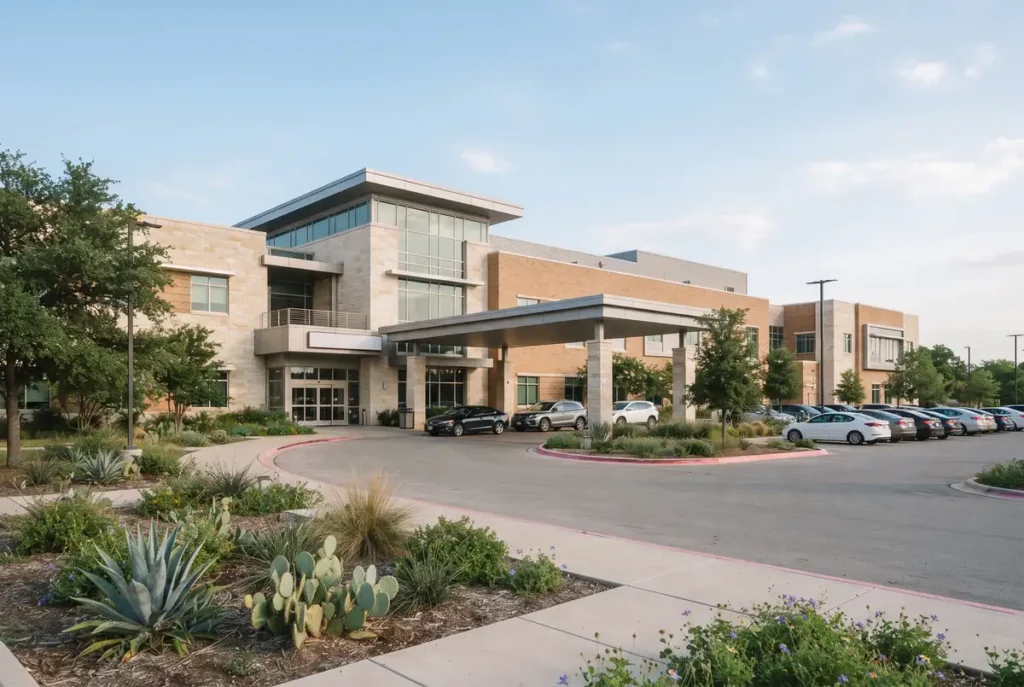
The tooth itself is still there when you leave. The infection that came from it can come back once the medication runs out, because the source hasn't been removed. That's why the discharge paperwork so often says the same thing: see a dentist as soon as possible. The ER has done its part. The dental part is still ahead of you.
When the emergency room comes first
Certain symptoms signal that the trouble has spread past the tooth itself, and in that case the hospital goes first. Go to the ER before calling us if any of these is true:
- Swelling that has reached up toward your eye, or slid under the jaw into the neck
- A fever along with the tooth pain
- Trouble breathing, or trouble swallowing your own saliva
- A hit to the face hard enough that the jaw might be broken, or teeth that no longer line up when you close your mouth
- Bleeding from the mouth that won't slow down with steady pressure
For patients on the north side, Methodist Stone Oak Hospital and North Central Baptist Hospital are both in Stone Oak. An abscess that spreads can turn into a serious infection; fever, facial swelling and difficulty breathing or swallowing are the reasons Mayo Clinic gives for heading to an emergency room. After the hospital has dealt with the spread, call us. The tooth behind it still needs treatment, and that part is ours.
When a dentist is the right place
Most tooth emergencies don't come with any of the symptoms above. They come with pain, a crack, a wobble or a lost piece, and for those a dental office is where the problem actually gets fixed instead of held off. A tooth that's broken below the gum line, a tooth so decayed it can't hold a filling, a wisdom tooth that's infected or pushing on its neighbor, a tooth loosened by a fall: our dentists look at each one, take X-rays, and say plainly whether it can stay or has to go.
If you're trying to get through the night before you can be seen, this is what helps.
- Use an over-the-counter pain reliever, and follow the label dose to the letter. A tooth that hurts more than usual doesn't earn a bigger dose.
- Rinsing with warm salt water now and then helps. Aspirin pressed on the gum doesn't; it burns the tissue without ever reaching the tooth.
- Prop your head up when you lie down. Flat on your back, the jaw gets more blood flow and the throb usually climbs.
- A cold pack on the cheek, twenty minutes on and then a break, dulls it. Heat on the outside of the face is a bad idea if there's swelling.
- Call the office. After 8:00 PM a live person picks up, and the first opening at 8:00 AM is reserved for you.
For cracked teeth, knocked-out teeth and things wedged between teeth, the ADA covers similar ground.
If you've already been to the ER
Phone us the next morning, or that same day if the hospital visit was early. Bring the discharge paperwork and the name of anything you were prescribed, and keep taking the medication as directed even if the pain has eased. Antibiotics can quiet an infection, but the tooth that started it is untouched. Once the source is treated, whether by extraction, a root canal or draining an abscess, the cycle of infection and antibiotics stops.
If the ER visit was for a broken jaw, tell us that when you call. The dental work and the jaw injury have to be handled together, and our dentists will want to see the hospital's images.
What a same-day extraction looks like at our San Antonio office
A visit for a possible extraction starts with the $125 exam and X-rays. Our dentist studies the tooth and the image, explains the problem, and tells you whether the tooth can be kept or whether removing it is the sound choice. If it's coming out, the price goes on paper before anything starts. Many extractions, simple and surgical, happen the same day in the same chair.
The emergency tooth extraction page describes the visit in more detail, including what to expect afterward and how to care for the site. If the tooth is infected, the dental abscess page explains how we treat the infection along with the tooth. And since tooth pain doesn't check the calendar, our weekend page covers how Saturday and Sunday visits work.
When to call a dentist today
A tooth that's broken, loose, badly decayed or keeping you up at night, with none of the hospital warning signs above, is a reason to call (210) 807-8793. Our Stone Oak office is open seven days a week, 8:00 AM to 8:00 PM, with same-day appointments and walk-ins welcome. The emergency exam and X-rays are $125.
The $125 covers the emergency exam and diagnostic X-rays. Any treatment is a separate fee, quoted to you in writing before any work starts.
Related questions
Does urgent care pull teeth in Texas?
Pulling a tooth is dental work, done by a licensed dentist with dental X-rays. An urgent care clinic may be able to help with pain or write a prescription, but for the tooth itself you need a dental office. Calling a dentist first saves you a stop. We answer around the clock and hold you the first opening.
Will the ER hand me antibiotics and stop the pain?
The hospital may prescribe antibiotics if there's an infection, and may treat the pain for the night. Both can help in the short term. Neither removes the cause. The tooth is still broken or still infected at the root, and the problem tends to return when the medication ends. A dentist treating the tooth is what ends it.
A tooth got knocked out. Hospital or dentist?
Dentist, unless there's also a head injury, a possible broken jaw or heavy bleeding. Lift the tooth by its crown, give it a quick rinse if it's dirty, and see if it will seat back into the socket. If not, milk is the carrier, and come straight in. Every step is on the knocked-out tooth page.
This article is for general education and is not a substitute for an exam by a licensed dentist.